
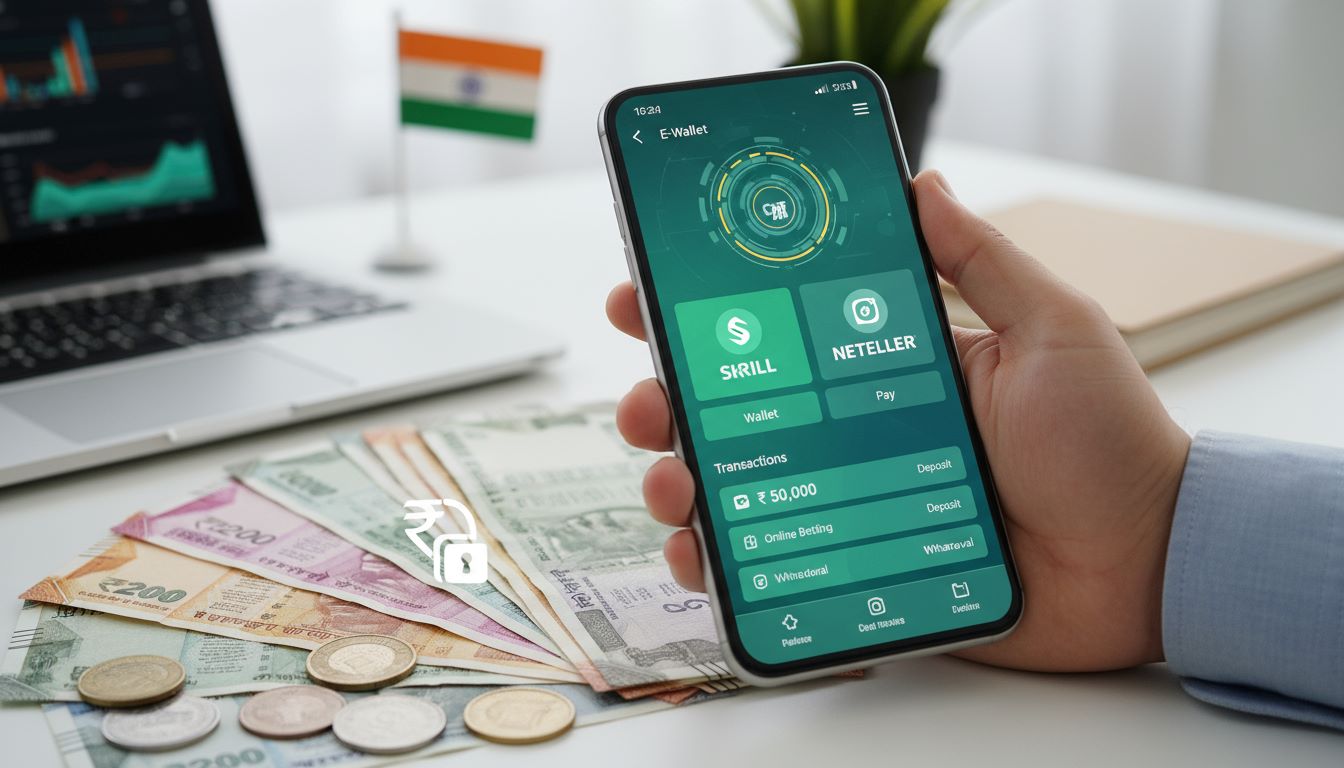
Digital wallets have revolutionized the way Indians conduct financial transactions, offering unprecedented convenience and security for online payments. Among the most prominent international e-wallet services, Skrill and Neteller have established themselves as trusted platforms that cater to users seeking reliable digital payment solutions. These platforms enable seamless money transfers, online purchases, and financial management through sophisticated yet user-friendly interfaces.
The rapid adoption of digital payment systems in India reflects the country’s growing embrace of cashless transactions and technological innovation. As more Indians engage in online commerce, international money transfers, and digital services, e-wallets like Skrill and Neteller provide essential bridges between traditional banking systems and modern digital finance ecosystems, offering features specifically designed to meet the diverse financial needs of Indian consumers.
Setting Up Skrill and Neteller Accounts
Creating accounts with Skrill and Neteller involves straightforward registration processes that prioritize security and regulatory compliance. Both platforms require users to provide personal information including full name, address, phone number, and email address during the initial signup phase. The registration typically takes just a few minutes, with users creating secure passwords and agreeing to terms of service that outline their rights and responsibilities as account holders.
The verification process represents a critical step that ensures account security and regulatory compliance with international financial standards. Users must submit government-issued identification documents such as passports or driving licenses, along with proof of address documents like utility bills or bank statements dated within the last three months. This verification process, known as Know Your Customer (KYC), typically takes 1-3 business days and unlocks full account functionality including higher transaction limits.
Once verification is complete, users gain access to comprehensive account dashboards where they can manage their funds, view transaction histories, and configure security settings. Both platforms offer mobile applications that provide full account functionality, allowing Indian users to manage their digital wallets conveniently from their smartphones while maintaining the same level of security available through desktop platforms.
Key Features of Skrill and Neteller Accounts
Understanding the distinctive features of each platform helps users make informed decisions about which e-wallet best suits their specific needs. Both services offer robust functionality, but they differ in certain aspects that may appeal to different user preferences.
| Feature | Skrill | Neteller |
|---|---|---|
| Currency Support | 40+ currencies including INR | 28+ currencies including INR |
| Transfer Limits | Up to €6,000 monthly | Up to €11,500 monthly |
| Prepaid Cards | Mastercard available | Mastercard with rewards |
| VIP Programs | Knect loyalty points | VIP with exclusive benefits |
| Customer Support | 24/7 multilingual support | 24/7 premium support |
These feature differences reflect each platform’s approach to serving diverse user needs, with Neteller generally offering higher transaction limits and more premium services, while Skrill provides broader currency support and comprehensive loyalty programs that reward regular users with points redeemable for various benefits.
Using Skrill and Neteller for Transactions
Conducting transactions through Skrill and Neteller involves intuitive processes designed to ensure both security and efficiency. Users can fund their accounts through multiple methods including bank transfers, debit cards, and credit cards, with each method having specific processing times and fee structures. The platforms automatically convert currencies when necessary, applying competitive exchange rates that are typically more favorable than traditional banking alternatives.
Transaction fees vary depending on the funding method, transaction type, and destination country, making it essential for users to understand the cost structure before initiating transfers. Both platforms offer transparent fee calculators that allow users to preview costs before confirming transactions, helping them make informed decisions about the most cost-effective payment methods for their specific needs.
The user experience emphasizes simplicity without compromising security, with both platforms requiring additional authentication for larger transactions or sensitive account changes. Real-time notifications keep users informed about transaction status, account activity, and security events, ensuring they maintain complete visibility over their financial activities.
- Log into your Skrill or Neteller account and navigate to the “Send Money” or “Transfer” section of the dashboard
- Enter the recipient’s information including email address or account details, select the currency and amount to transfer
- Choose your preferred funding source from linked bank accounts, cards, or existing wallet balance
- Review transaction details including fees, exchange rates, and estimated delivery time before confirming the transfer
- Complete any required security verification such as SMS codes or email confirmations to finalize the transaction
Managing Your Finances with Skrill and Neteller
Both platforms provide comprehensive financial management tools that help users track spending patterns, set budgets, and monitor account activity through detailed transaction histories and analytical reports. Users can categorize transactions, set up automated alerts for specific account activities, and access downloadable statements for record-keeping purposes, making these e-wallets valuable tools for personal financial management beyond simple money transfers.
Advanced features include spending limits that users can set for different transaction types, currency conversion tools that help track exchange rate trends, and integration capabilities with accounting software for users who need to maintain detailed financial records for business or tax purposes.
Legal and Regulatory Framework for Digital Wallets in India
The regulatory landscape for digital wallets in India operates under a comprehensive framework established by the Reserve Bank of India (RBI) and other financial regulatory bodies. International e-wallet services like Skrill and Neteller must comply with Indian foreign exchange regulations, particularly the Foreign Exchange Management Act (FEMA), which governs cross-border financial transactions and foreign currency dealings.
Indian users of international e-wallets must adhere to specific regulatory requirements, including reporting obligations for transactions exceeding certain thresholds and compliance with anti-money laundering (AML) regulations. The RBI’s guidelines on cross-border payments require that users maintain proper documentation for international transfers and ensure that their activities fall within permissible categories under FEMA regulations.
Recent regulatory developments have emphasized enhanced due diligence requirements and stricter monitoring of digital payment platforms operating in India. These measures aim to prevent financial crimes while maintaining the accessibility and convenience that make digital wallets attractive to Indian consumers, creating a balanced regulatory environment that protects users while enabling legitimate financial activities.
Compliance obligations extend to both service providers and users, with platforms like Skrill and Neteller implementing robust systems to ensure adherence to Indian regulatory requirements while users must ensure their activities align with applicable laws and regulations. This collaborative approach helps maintain the integrity of the digital payments ecosystem while supporting India’s broader financial inclusion objectives.
RBI’s Role in Digital Payments
The Reserve Bank of India serves as the primary regulatory authority overseeing digital payment systems, establishing guidelines that ensure security, transparency, and consumer protection in electronic transactions. The RBI’s regulatory framework addresses various aspects of digital payments including licensing requirements for payment service providers, operational guidelines for cross-border transactions, and consumer protection measures that safeguard user interests.
Through its Payment and Settlement Systems Act and various circulars, the RBI has created a structured approach to digital payment regulation that balances innovation with risk management. This framework requires international e-wallet providers to maintain specific operational standards, implement robust security measures, and provide transparent information about fees and terms of service to Indian users.
Security Measures for Digital Transactions
Digital wallet security relies on multiple layers of protection designed to safeguard user data and prevent unauthorized access to accounts and funds. Both Skrill and Neteller implement industry-standard security protocols that protect users throughout their digital payment experiences.
- Advanced encryption technology protecting all data transmission and storage using AES-256 encryption standards
- Two-factor authentication requiring secondary verification through SMS codes or authenticator applications for account access
- Anti-fraud monitoring systems that analyze transaction patterns and flag suspicious activities in real-time
- Secure socket layer (SSL) certificates ensuring encrypted communication between user devices and platform servers
- Regular security audits and compliance assessments conducted by independent third-party security firms
These comprehensive security measures work together to create a robust defense system that protects against various forms of cyber threats while maintaining user convenience. Users can enhance their security by enabling all available protective features and following recommended best practices for account management.
Alternatives to Skrill and Neteller
The digital payments landscape offers numerous alternatives to Skrill and Neteller, each with unique features and pricing structures that may better suit specific user requirements. Understanding these alternatives helps users make informed decisions based on their individual needs, transaction patterns, and cost considerations.
Popular alternatives range from global payment platforms to India-specific solutions, with each offering different advantages in terms of fees, supported countries, and additional features. Some platforms specialize in specific types of transactions such as remittances or business payments, while others provide comprehensive financial services beyond basic money transfers.
| Service | Features | Fees |
|---|---|---|
| PayPal | Global acceptance, buyer protection, business tools | 2.9% + fixed fee for transactions |
| Wise (TransferWise) | Real exchange rates, multi-currency accounts | 0.5-2% of transfer amount |
| Paytm | India-focused, merchant payments, UPI integration | No fees for basic transactions |
| Remitly | Remittance focus, competitive rates to India | $3.99-$15 per transfer |
The choice between these alternatives depends on individual priorities such as transaction fees, supported destinations, additional features, and user experience preferences. Some users may benefit from combining multiple platforms to optimize costs and functionality for different types of transactions.
Choosing the Right Digital Wallet for Your Needs
Selecting the most appropriate digital wallet requires careful consideration of several factors including transaction frequency, typical transfer amounts, destination countries, and required features. Users should evaluate their specific use cases, whether for personal remittances, business transactions, online shopping, or investment activities, as different platforms excel in different areas and may offer specialized features for particular transaction types.
Cost analysis plays a crucial role in wallet selection, with users needing to consider not only transaction fees but also exchange rates, funding costs, and withdrawal charges to determine the total cost of ownership. Additionally, factors such as customer support quality, platform reliability, security features, and regulatory compliance should influence the decision-making process to ensure long-term satisfaction and account safety.